汤姆(詹姆斯·弗兰科 James Franco 饰)与安娜(凯特·哈德森 Kate Hudson 饰)是一对儿生活在伦敦的美国夫妇,受到金融风暴影响,生活陷入拮据困境。在即将面临被驱逐的紧要时刻,一笔“意外之财”从天而降。岂料私藏这笔钱没有想象中容易。在这背后竟然隐藏着一场连环黑吃黑的毒品交易和精心策划的复仇计划。黑帮老大,成瘾毒贩,资深警探,普通良民,每个人怀着不同的心思,绞尽脑汁、机关算尽,上演着谎言与谎言的明争暗斗。而为了独享这笔“横财”,真正头破血流的绝杀逃亡也拉开了序幕……
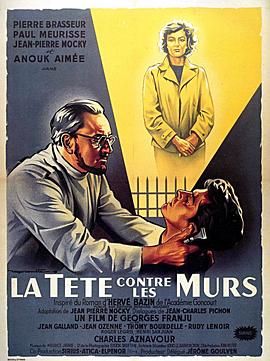
François Gérane alterne internements et incarcérations, entrecoupés de quelques escapades furtives. Asile, puis prison, puis asile, asile et asile encore - ou, Hôpital psychiatrique, comme on veut bien aimablement le nommer désormais dans les années 1930. Des enfermements en acte donc, mais aussi psychologiques. Le héros a beau fuir à travers champs, il demeure captif de lui-même
« Les murs sont avant tout tes murs. Ils peuvent reculer devant tes pas, mais ta liberté même reste une enceinte si tu ne sors pas de toi-même », lui souffle la bouche rouillée des serrures de sa chambre de détention. La Tête contre les murs n'est autre que la banale histoire d'un infirme de la liberté.
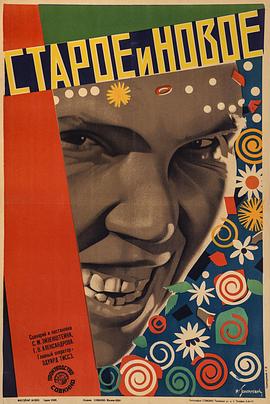
Due to some common interests between German and Russian aristocracy ( the Russians even had aristocrats in their past not to mention they had an Empress called Catherine the Great, as great as this German count's heiresses… ), it is not strange that this Teutonic count has understood and even enjoyed Herr S. M. Eisenstein's Staroye I Novoye. It is not very usual that for the aristocracy to enjoy Bolshevist films full of proletarian demands that put private property at risk or as it happens in this case, a film about the Communist Party's policy on the subject of the collectivization of the Soviet agriculture. Normally this would be perfect gibberish for this German count, but thanks to Herr Eisenstein 's greatness and directorial talent, the hardships of the heroine of the film, Dame Marfa ( Dame Marfa Lapkina ) breached even the thick aristocratic Schloss walls. And that's one of the first remarkable aspects of this oeuvre; in spite of the political subject of the film, the powerful images and lyricism ( astonishing and beautiful shot compositions ), especially during the first part of the movie, preserve the artistic merits entirely while serving a propaganda purpose. The second remarkable aspect of the film is the dichotomy between the old and new, the fight to improve the lot of Dame Marfa and her countrymen. There are many discussions because it is not easy even in Russia to change ancient and conservative customs. There are superb metaphors and social criticism ( illiteracy, bureaucracy, religiosity ) which perfectly fit the film, and last but not least, Staroye I Novoye, is a kind of archaic documentary about ancient customs established deeply in old Russia, those ones that our heroine must fight against. And there is also a lot about agriculture ( very enlightening for this German count), especially about harvesting and how to fatten Russian cows or pigs ( literally, no pun here… ). Herr Eisenstein had to bear during the last era of his film career, unbelievable censorship and mutilation of his work, as happens with Staroye I Novoye. The film was reedited and Eisenstein accused of sympathizing with Trostky's policies but fortunately the film was restored and showed by the German-frenchified t.v. channel ARTE, natürlich!, including an evocative music score by Herr Taras Bujewski, that fits superbly Herr Eisenstein primal artistic interests. And now, if you'll allow me, I must temporarily take my leave because this German Count must buy a tractor for one of his Teutonic heiress.