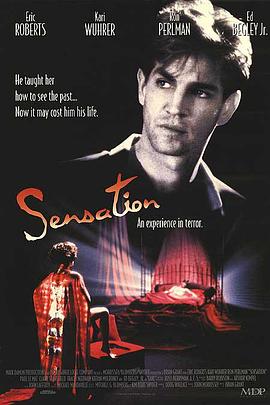
A night of unimaginable terror awaits twelve-year-old, Bobby, and his best friend, Kevin, when they are abducted on their way home from school. Managing to escape his confines, Bobby navigates the dark halls, praying his presence goes unnoticed as he avoids his captor at every turn. Even worse is the arrival of another deranged stranger, whose mysterious arrangement with the kidnapper may spell certain doom for Kevin. With no means of calling for help and miles of dark country in every direction, Bobby approaches a difficult crossroad take his chances in the fields, or find a means to free his friend. Unable to leave Kevin behind, Bobby embarks on a rescue mission, determined to get them both out alive… or die trying.
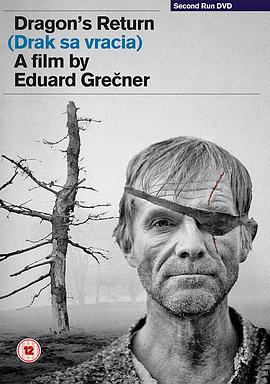
与Stefan Uher和Elo Havatta一样,Eduard Grecner也是60年代斯洛伐克新浪潮电影的缔造者之一。他的三部影片《一周七天》(1964)《尼绒月亮》(1965)和这部《徳拉克的回归》都是斯洛伐克新浪潮电影的代表作。这部叙事方法独特带有明显意识流风格的黑白影片甚至间接影响到了后来法国导演格里耶在捷克拍摄的两部影片《说谎的人》和《Eden and After》。 A special place in the development of feature films is reserved for Eduard Grecner, the creator of just one good film, Dragon Returns (Drak sa vracia, 1967), titled after the nickname of the lead character. After his initial work with Uher, Grecner made his mark as a proponent of the so-called intellectual film, the antithesis of the sociologically, or rather, socially critical film. Grecner's great role model was Alan Resnais, a young French filmmaker who sought to introduce Slovakia to the idea of film as a labyrinth in which meanings are created not by stories, but by complex configurations of dialogue, shots, and various layers of time, thus differentiating film from both literature and theater. In Dragon Returns―the story of a solitary hero who is needed by villagers living far in the mountains, but who is rejected by them at the same time because of his detachment―Grecner brought the tradition of lyricized prose to life through a whole series of formal aesthetic techniques. Alain Robbe-Grillet immediately developed this idea in the film shot in Bratislava The Man Who Lies (Slovak Muz, ktory luze; French title L'homme qui ment; 1968), and perfected it in Eden and After (Eden a potom, 1970).
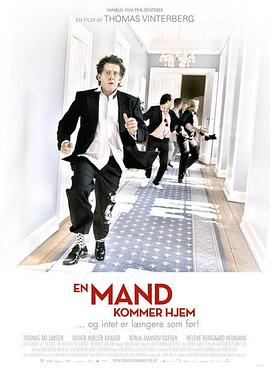
A small provincial town is buzzing with excitement the town's most illustrious son, a world-famous opera singer, is coming home. Meanwhile, Sebastian, a kitchen boy who is as good as married, falls head over heels in love with the new maid, Maria. Their love affair, along with rumours that the opera singer and the kitchen boy are related, turns the town upside down, threatening to ruin everyone's high expectations and the opera singer's triumphant return.
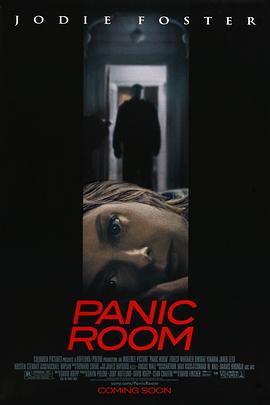
梅格(朱迪·福斯特 Jodie Foster 饰)刚刚结束了一场失败的婚姻,为了离开容易勾起回忆的伤心地,梅格带着女儿莎拉(克里斯汀·斯图尔特 Kristen Stewart 饰)搬进了一幢位于纽约的大房子内。虽然这座建筑已经有些年头了,但是梅格和莎拉对他们的新家还是感到十分的满意。 在屋子里,梅格发现了一间紧急避难所,里面除了有充足的食物和水外,还有一套完善的闭路监视系统。一天,三名强盗潜入了梅格家中,来寻找传说中隐藏在这里的财宝,梅格带着莎拉躲进了避难所里,留给她的时间并不多,如果不能够战胜穷凶极恶的劫匪,那么她和女儿将双双付出生命的代价。